
Blended families, oh boy, they sure come with their unique dynamics and challenges. It ain't all sunshine and rainbows. When two families merge into one, it's like mixing two different recipes in a single pot; sometimes it tastes great, and other times, not so much. The dynamics can get pretty complicated because you're dealing with ex-spouses, step-siblings, and maybe even half-siblings.
One of the biggies is establishing new relationships. To learn more view it. Kids might not be too thrilled about sharing their space or attention with step-siblings or a new parent figure. It's not uncommon for them to feel like they're losing their parent's undivided attention. And let's face it: nobody really likes change that much.
Communication is another hurdle that's gotta be jumped over. Adults in blended families often think they're on the same page when they're actually reading different books entirely! Misunderstandings happen more often than you'd think and resolving conflicts can become an art form.
Don't forget about discipline either – it's a real sticky point. Each parent usually has their own style of doing things, and merging those styles ain't easy. One might be strict while the other's more lenient, leading to confusion among the kids about what's expected from them.
Financial issues also pop up like unwanted guests at a party. Get access to additional details check that. Combining finances means discussing budgets, allowances for the kids (if any), and how to handle expenses related to children from previous marriages or relationships.
It's hard work managing these blended family dynamics but it ain't impossible! Building trust takes time – you can't rush it no matter how badly you wanna see everyone getting along perfectly right off the bat.
And oh boy, let me tell ya 'bout loyalty conflicts! Kids might feel torn between biological parents and stepparents which adds more stress into an already challenging situation.
Despite all these hurdles though (and there are plenty), many blended families find ways to make it work beautifully over time through patience, communication skills improvement , love , mutual respect . They learn how to create new traditions together while respecting old ones , slowly building bonds that may eventually rival those found in traditional nuclear families .
So yeah , blending families isn't exactly smooth sailing - get ready for some choppy waters . But if everyone keeps paddling together towards common goals - peace harmony understanding- there's nothing stopping ‘em from finding happiness as one big happy family !
Building Strong Relationships in Blended Families
Blended families, also known as stepfamilies, ain't easy to navigate. In fact, building strong relationships within these families can feel like an uphill battle sometimes. But hey, it's definitely not impossible! Let's talk about some key aspects of creating those connections that make a blended family truly blend.
First off, communication is super important. If you're not talking openly and honestly with each other, things can get really messy real quick. For instance, kids might feel left out if they think their voice isn't being heard or if there's favoritism floating around. It's crucial to listen actively and show empathy towards each member's feelings and concerns.
Oh boy, patience – you can't do without it in a blended family! Adjusting to new dynamics takes time and effort from everyone involved. You can't expect overnight miracles; relationships need to be nurtured patiently. Sometimes there are misunderstandings or conflicts that arise simply because people are still figuring out their place in this new family structure.
Don't forget about the importance of spending quality time together. It doesn't have to be anything fancy – simple activities like cooking dinner together or watching movies can create bonding moments that help build trust and affection among family members. And let's face it: shared experiences often bring people closer.
Respecting boundaries is another biggie when it comes to blending families successfully. Each person has their own comfort zone and respecting these limits helps foster mutual respect and understanding. For example, step-parents should give children space while gradually establishing bonds rather than forcing relationships too quickly which could lead to resentment.
And let's not underestimate the power of humor! Laughter really does wonders for bridging gaps between people who might initially feel like strangers living under the same roof. A good joke here or there lightens up tense situations and reminds everyone that at the end of the day they're all part of one team.
However hard things may seem sometimes don't lose sight of why you're all together – love brought you here after all! Emphasizing love as the foundation upon which your blended family stands makes dealing with challenges worthwhile because ultimately what matters most is maintaining loving relationships despite any obstacles thrown your way.
additional information readily available see it.
Surely building strong relationships within blended families has its fair share of hiccups along the road but with effective communication patience quality time respect for boundaries humor mixed generously with lotsa love it's absolutely achievable!
So keep going - you've got this!
Grandparents have always been an integral part of family life, providing wisdom, love, and support to their children and grandchildren.. However, in today's fast-paced world, modern grandparents face numerous challenges in fulfilling their roles effectively.
First off, let’s talk about the technological gap.

Posted by on 2024-07-04
Sibling relationships have a significant impact on personal development, and this is evident from various case studies and research findings.. These relationships are unique and complex, shaping individuals in ways that are not always immediately obvious.
Posted by on 2024-07-04
Extended families, a term that refers to familial networks beyond the nuclear family—parents and their children—have long been a cornerstone of society.. They include grandparents, aunts, uncles, cousins and even close friends who are considered family.
Posted by on 2024-07-04
Transforming family dynamics ain't always easy, but fostering a supportive and nurturing environment can truly make a world of difference.. You might think it's all about grand gestures and elaborate plans, but nope!

Posted by on 2024-07-04
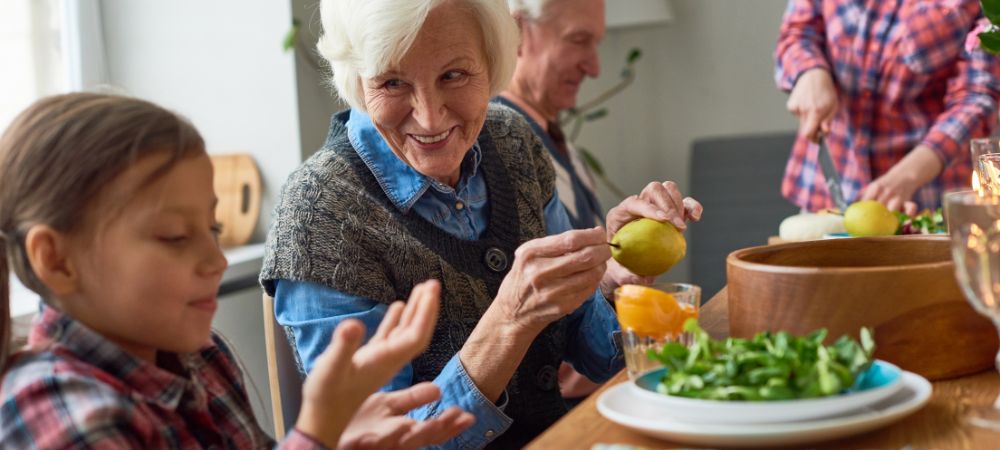
**Celebrating Milestones Together: Uncover the Hidden Techniques for Lasting Connections**
Strengthening family bonds ain't just about spending time together; it's about making those moments meaningful.. One of the most powerful ways to do this is by celebrating milestones and special occasions as a family.
Posted by on 2024-07-04
Family conflicts are a part of life; they happen to everyone.. It can be quite challenging, and let's face it, no one really enjoys dealing with them.

Posted by on 2024-07-04
Blended families, often called stepfamilies, come with their own set of unique challenges and joys. The role of communication in the success of a blended family can't be overstated. Oh boy, where do I even start? It's just so darn crucial!
First off, let's face it – misunderstandings are gonna happen. But good communication can turn those potential conflicts into opportunities for growth. When members of a blended family openly talk about their feelings and concerns, they create an environment where everyone feels heard and valued. Without this foundation, resentment and frustration can build up pretty quickly.
Now, it's not like you have to sit down for a formal meeting every time there's something to discuss. Sometimes it's the little chats over dinner or during car rides that make all the difference. Parents need to encourage their kids, both biological and stepchildren, to express themselves freely without fear of judgment.
However (and here's where it gets tricky), consistency is key but shouldn't be rigid. Flexibility in communication styles is also important because each family member may have different ways they prefer to communicate. Some might be more comfortable texting about their feelings rather than having face-to-face conversations.
And let's not forget the importance of non-verbal communication! A hug or a pat on the back can sometimes speak louder than words ever could. These small gestures help build trust and show affection in ways that words might fail to capture.
Of course, there will be times when things don't go smoothly – that's just life! But acknowledging mistakes and apologizing sincerely when misunderstandings occur goes a long way in mending fences. It's vital to show that everyone's trying their best even when things get tough.
In addition, establishing some ground rules for respectful communication early on can prevent many issues down the road. Things like no interrupting while someone else is speaking or avoiding negative language can foster a more positive atmosphere at home.
In conclusion (phew!), effective communication isn't just beneficial; it's essential for the success of any blended family. By fostering open dialogue and showing empathy through both words and actions, families can navigate through challenges together stronger than ever before.

Blended families ain't always a walk in the park. When two different family units come together, there's bound to be some friction. But hey, that's totally normal! The key is figuring out how to manage conflict so everyone can get along better and find a new kind of harmony. Here are some strategies that might help.
First off, communication is crucial, but it ain't always easy. Parents need to talk openly about their expectations and concerns without making things worse. If you don't say what's on your mind, it's gonna build up and explode later – not good for anyone involved. Try having regular family meetings where everyone gets a chance to speak their piece. It's surprising how much just talking things out can help.
Next up, setting clear boundaries is essential. Kids from different families may have had different rules before coming together under one roof. It's important for parents to agree on what those rules will be now and stick to them consistently – no flip-flopping allowed! This helps create stability and lets children know exactly what's expected of them.
Another thing that's super helpful is showing empathy towards each other's feelings. Blending families isn't just tough on the adults; kids are going through major changes too! Listen when they're upset or struggling with the new dynamics - sometimes all they need is someone who understands where they're coming from.
Also, don't forget about building trust. Relationships in blended families take time to develop – Rome wasn't built in a day! Be patient with each other and try not to force connections too quickly because pushing too hard usually backfires.
And let's not overlook the power of compromise either! Everyone won't get their way all the time (bummer, right?), but finding middle ground can keep conflicts from turning into full-blown wars. Teach kids that compromising isn't losing; it's actually finding solutions that work for everyone involved.
Finally, if things really start getting out of hand despite your best efforts, don't hesitate to seek outside help like family therapy or counseling services designed specifically for blended families - there's no shame in getting professional advice!
In conclusion (phew!), managing conflict in blended families isn't impossible but does require effort from everyone involved – patience being key among them all! Remember: Communicate openly without judgment; set clear boundaries together as parents while respecting individual needs within this new dynamic environment; empathize sincerely whenever possible even amidst disagreements (especially then); build trust gradually over time rather than forcing connections prematurely which only leads down rocky paths anyways eventually… And embrace compromise wholeheartedly because ultimately? It's worth every bit when you see peace reigning supreme at home again after navigating such turbulent waters earlier successfully altogether once more thereafter onwards forevermore henceforth forward indefinitely onward evermore beyond measure indeed truly honestly sincerely genuinely absolutely thoroughly completely wholeheartedly utterly positively undeniably undoubtedly unmistakably unreservedly wholeheartedly thus infinitely eternally perpetually continually incessantly ceaselessly unendingly timelessly enduringly persistently unwaveringly unfalteringly steadfastly resolutely firmly unyieldingly staunchly tenaciously doggedly adamantly determinedly indefatigably tirelessly assiduously diligently industriously laboriously slogging away relentlessly unswervingly inexorably pertinacious obstinately stubborn pigheaded mulishly headstrong single-minded purposefully devoted committed dedicated loyal faithful dependable reliable trustworthy constant true sincere earnest serious genuine wholehearted passionate fervent ardent zealous enthusiastic eager keen avid fervid fanatical obsessive fixated preoccupied besotted infatuated smitten lovestruck rapt spellbound enchanted captivated entranced mesmerized hypnotized bewitched
Blended families are becoming more common nowadays, and with them comes the need to navigate the complexities of parental roles and co-parenting. It's not always easy, but it's essential for the well-being of everyone involved. Let's dive into why these aspects are so important.
First off, let's talk about parental roles. In a blended family, kids might have two sets of parents or parent figures. This can be confusing for children if boundaries aren't clear. They need consistency and knowing who's responsible for what helps create a sense of stability. Parents should divide up responsibilities in a way that makes sense for their specific situation - it ain't one-size-fits-all! For instance, one parent might handle school-related matters while another deals with extracurricular activities.
Co-parenting is another crucial piece of the puzzle. When parents work together harmoniously, it sets a positive example for the kids and provides them with a secure environment to grow up in. It's not about being perfect - nobody's perfect anyway - but about showing respect and cooperation even when disagreements arise. Effective communication is key here; without it, things can quickly spiral outta control.
Unfortunately, some folks think they don't need to make an effort because they're "just" step-parents or because they're no longer romantically involved with their ex-partner. But that's just not true! Every adult in a child's life has an impact on their development and well-being. Ignoring this responsibility only leads to confusion and emotional stress for the child.
However, let's also acknowledge that co-parenting isn't always smooth sailing – there will be bumps along the way! Differences in parenting styles or unresolved issues from past relationships can create tension. What's critical is finding ways to address these challenges constructively rather than letting them fester.
Oh boy, blended families sure do require alot of patience and understanding! Kids pick up on tensions between adults real quick - you'd be surprised how perceptive they are! So maintaining open lines of communication isn't just good advice; it's kinda mandatory if you want things to run smoothly.
At times, seeking outside help such as family counseling can be beneficial too and provide neutral ground where everyone feels heard and respected. It's okay to admit when you need extra support – after all raising kids takes a village!
In conclusion (not that anything's ever really concluded when it comes to family dynamics), ensuring clear parental roles and practicing effective co-parenting are vital components in building healthy blended families. It won't always be easy – heck sometimes it'll downright hard – but putting in the effort pays off immensely by providing children with love, security, structure which they desperately need during formative years.

Blended families, oh boy, they've become more common nowadays. With parents remarrying or forming new partnerships, children often find themselves in these new familial setups. Now, you might think it's all rainbows and butterflies for the kiddos involved, but that ain't always the case.
First off, kids in blended families don't always adapt quickly to their new situations. It's not easy for them to suddenly have a step-parent or step-siblings who they didn't grow up with. They can feel like they're being forced into relationships they didn't ask for. Imagine one day you're an only child and then bam! Suddenly you've got two stepbrothers sharing your space and your stuff. That can be quite overwhelming!
Moreover, there's this whole thing about loyalty conflicts. Children might feel like they're betraying their biological parent if they get too close to their step-parent. It's like walking on eggshells sometimes; they just can't win! And let's face it, not all adults handle these transitions smoothly either. If the parents aren't getting along well with their exes or even each other, it creates a pretty tense environment for everyone.
Another issue is inconsistency in rules and expectations between households if kids are moving back and forth between a blended family home and another parent's house. One house might have strict rules while the other is more relaxed – that's confusing as heck! Kids need stability to thrive, but instead they're juggling different sets of expectations which can be really stressful.
But hey, it's not all gloom and doom! Blended families do offer unique opportunities too. For instance, children can benefit from having additional role models in their lives - more people to support them emotionally and help them out when needed. Plus, they learn adaptability skills that'll serve them well later in life.
However, it's crucial for parents to communicate openly and work together to create a supportive environment for everyone involved. It takes time – lots of patience too – but with effort things can get better over time.
In essence (wow fancy word!), the impact on children in blended families isn't straightforwardly good or bad – it's a mixed bag really. But understanding these dynamics helps us see what challenges lie ahead so we can tackle 'em head-on!